
Tell us about the job
Takes about a minute. No obligation.

A contractor sizing and setting a water heater in Pickett County has to account for what the unit has already been through before the job starts. 33 severe weather events were recorded in Pickett County, Tennessee between 2015 and 2024. At that rate, severe weather is an event here, not a steady operating condition, so a system showing corrosion, sediment buildup, or a failing element almost certainly got there through age and neglect rather than storm wear. That distinction changes what a contractor prices and what they tell a homeowner about the replacement unit they are about to put in.
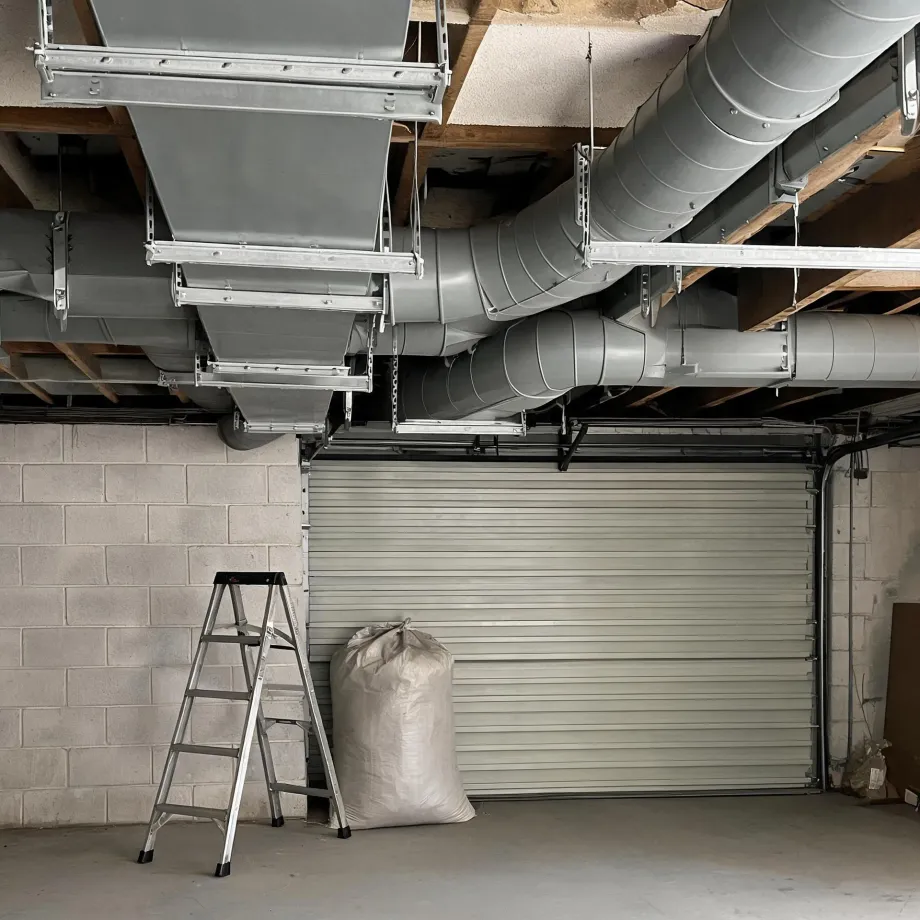
Ductwork and venting runs installed for an earlier generation of water heaters were not built to the same specifications a modern unit calls for, and that gap shows up at the quote stage. Half the homes in Pickett County, Tennessee were built in 1993 or earlier (2020-2024 ACS 5-year). A contractor working in stock that old will check the existing flue diameter, the combustion air supply, and the electrical service before settling on an equipment choice, because any of those can change the scope of the job. The house itself sets the terms.
What a Water Heater Installation Covers
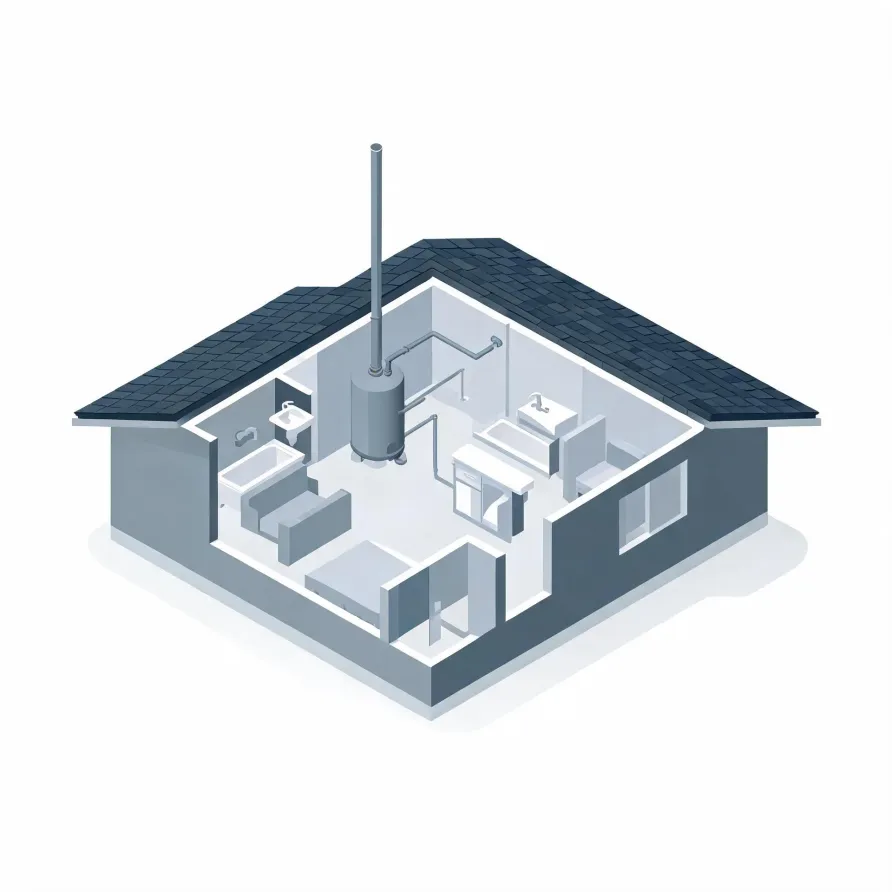
The storage tank is the piece a homeowner sees first, usually standing in a utility closet, basement, or garage. It holds and heats the water that reaches every faucet and fixture in the house. Attached to the top are the supply and outlet connections that bring cold water in and send hot water out.
The pressure relief valve mounts to the side of the tank and releases pressure if it climbs too high. A drain valve sits near the base. The flue or venting assembly runs from the top of the tank upward and out of the house, carrying combustion gases away in gas-fired units.
The drawing shows a typical layout, and a licensed contractor determines exactly what the installation requires in your home.
Find a contractor in Pickett CountyPickett County, by the numbers
33 severe weather events were recorded in Pickett County, Tennessee between 2015 and 2024.
NOAA National Centers for Environmental Information, Storm Events Database, bulk CSV export, events 2015-01-01 through 2024-12-31.Half the homes in Pickett County, Tennessee were built in 1993 or earlier (2020-2024 ACS 5-year).
U.S. Census Bureau, 2020-2024 American Community Survey 5-Year EstimatesPickett County, Tennessee holds 3,360 housing units (2020-2024 ACS 5-year).
U.S. Census Bureau, 2020-2024 American Community Survey 5-Year EstimatesOwners occupy 83.4% of the occupied homes in Pickett County, Tennessee (2020-2024 ACS 5-year).
U.S. Census Bureau, 2020-2024 American Community Survey 5-Year EstimatesSevere Weather Events in Pickett County
Weather puts load on water heaters in ways that vary sharply by location. Knowing what this area sees helps a contractor size and install equipment that holds up under local conditions.
33 severe weather events, 2015–2024. Source: NOAA National Centers for Environmental Information, Storm Events Database.