
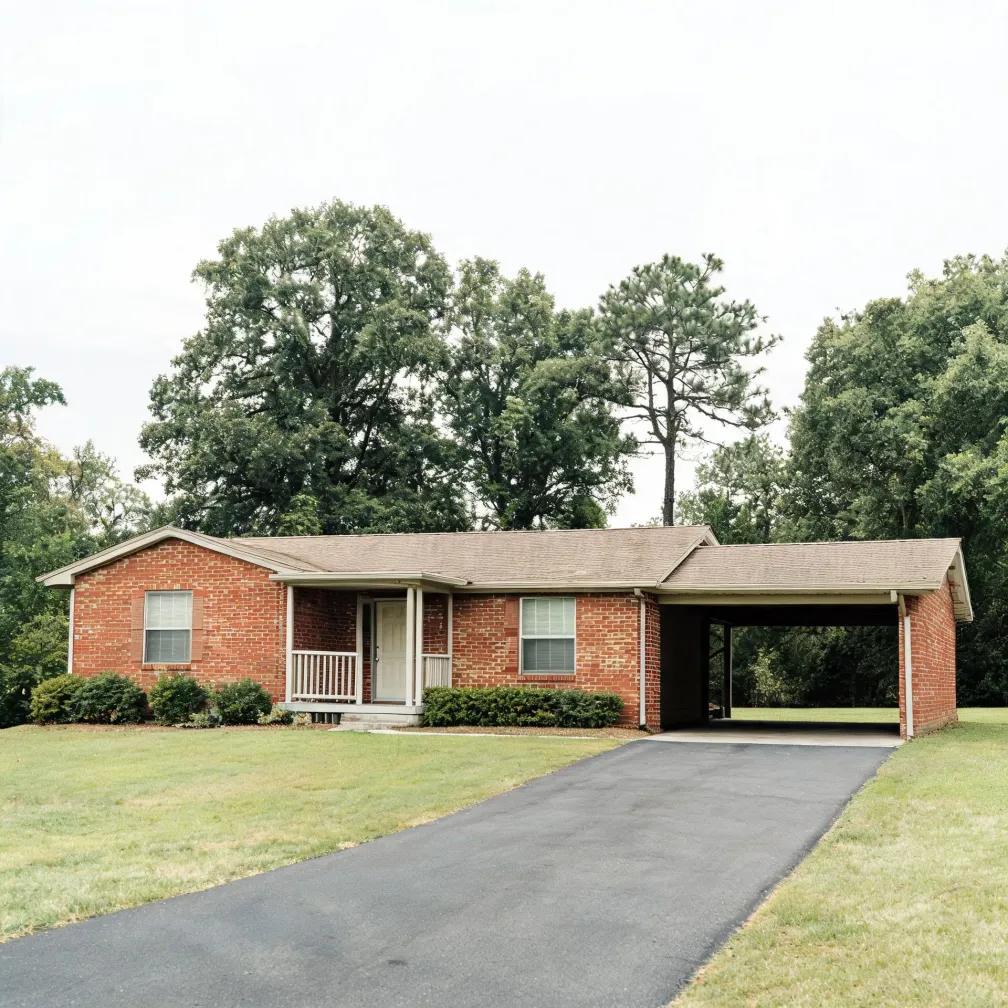
What Tennessee homes are up against.
NOAA National Centers for Environmental Information, Storm Events Database, bulk CSV export, events 2015-01-01 through 2024-12-31. · U.S. Census Bureau, 2020-2024 American Community Survey 5-Year Estimates

What a system has left in it depends partly on what it has already been asked to do. 9,369 severe weather events were recorded in Tennessee between 2015 and 2024. A rate that high, sustained year over year, means equipment across the state has been called on to hold capacity and recover repeatedly, and that history shows up when a contractor pulls the old unit and starts sizing the new one. A house where the equipment ran hard for years may need a different specification than one where conditions stayed easy, and a contractor working your county is the one who can read which it was.
A water heater gets replaced on its own schedule, separate from the house around it. Half the homes in Tennessee were built in 1987 or earlier, and half in 1987 or later (2020-2024 ACS 5-year). That split means a contractor cannot tell from the house alone what the vent connection, the gas line, or the electrical hookup will look like once the old tank comes out. In one house those connections were brought up to match the last replacement. In another they were not touched. The only way to know is to open the space and look at what is actually there before pricing the new unit against it.
How does your Tennessee county compare on severe weather?
2015–2024 · Source: NOAA National Centers for Environmental Information, Storm Events Database.
A heavier storm record means more chances for a power cutout, a lightning strike, or a flooded utility closet to take a water heater down. Have a contractor check that the unit is anchored and raised off a floor that could take on water, that its venting is secure, and that its shutoff valves are easy to reach if the lines need to be closed off fast.