Tell us about the job
Takes about a minute. No obligation.
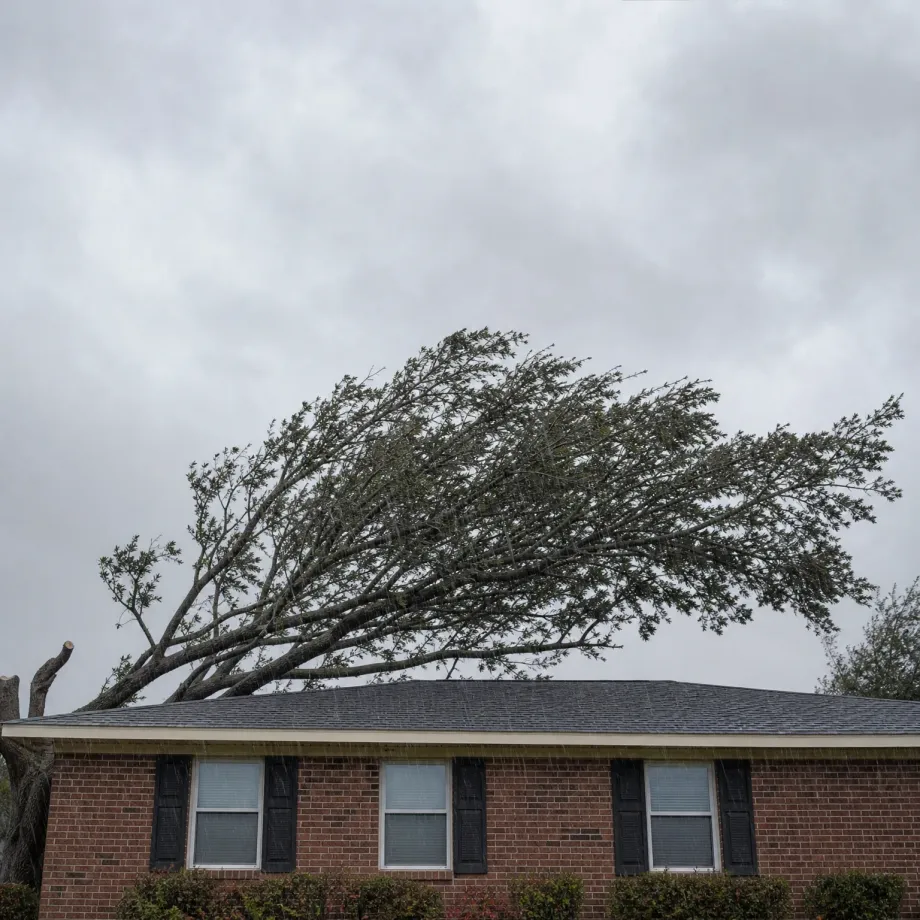
A contractor quoting a water heater installation in DeKalb County is mostly working backward from the existing system: how old it is, what condition the connections and venting are in, and whether the unit was sized right the first time. 57 severe weather events were recorded in DeKalb County, Tennessee between 2015 and 2024. At that rate, severe weather is an occasional event in a homeowner's life here, not a steady operating condition, so it rarely drives the sizing decision or explains why a unit failed. What does drive it is the mineral load in the water, the state of the existing plumbing, and the installation quality left behind by whoever put the last unit in.
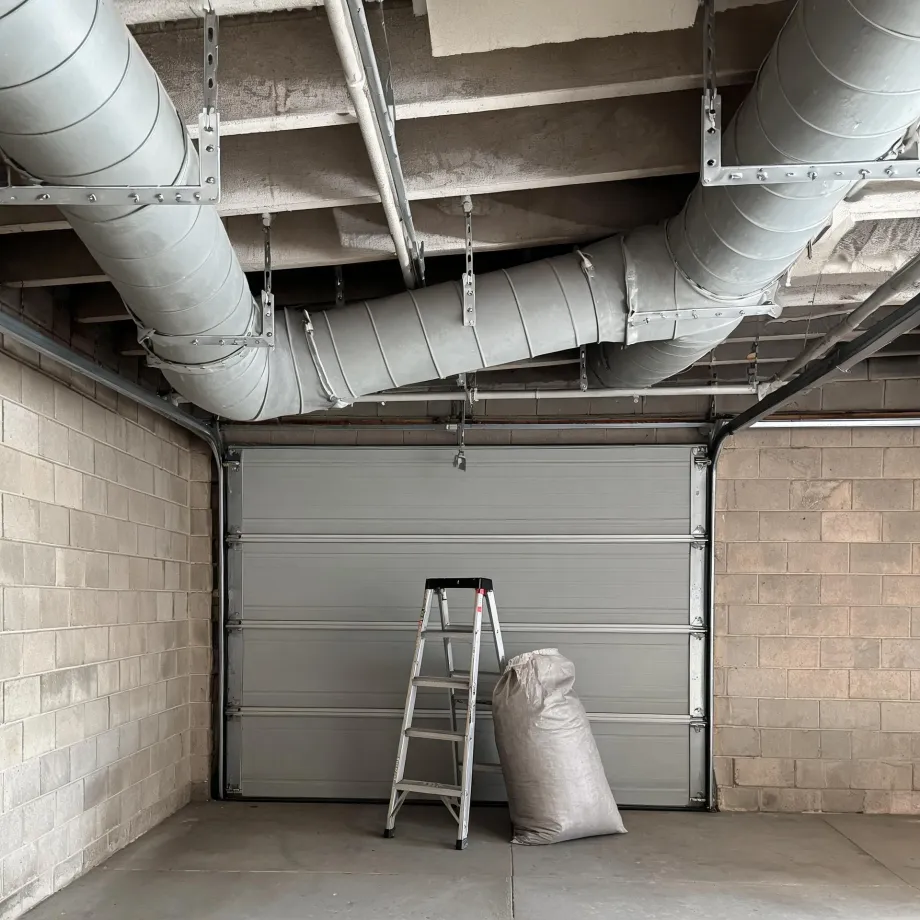
Existing ductwork and electrical service in a house this old were designed around equipment that has since been replaced, probably more than once. Half the homes in DeKalb County, Tennessee were built in 1986 or earlier (2020-2024 ACS 5-year). A contractor installing a water heater here has to read what the house already contains before the new unit matters at all: whether the venting path is clear and correctly sized, and whether the electrical service at that location will carry what the replacement draws. Those two things are what the job turns on, and neither one is visible from the driveway.
What a Water Heater Installation Covers
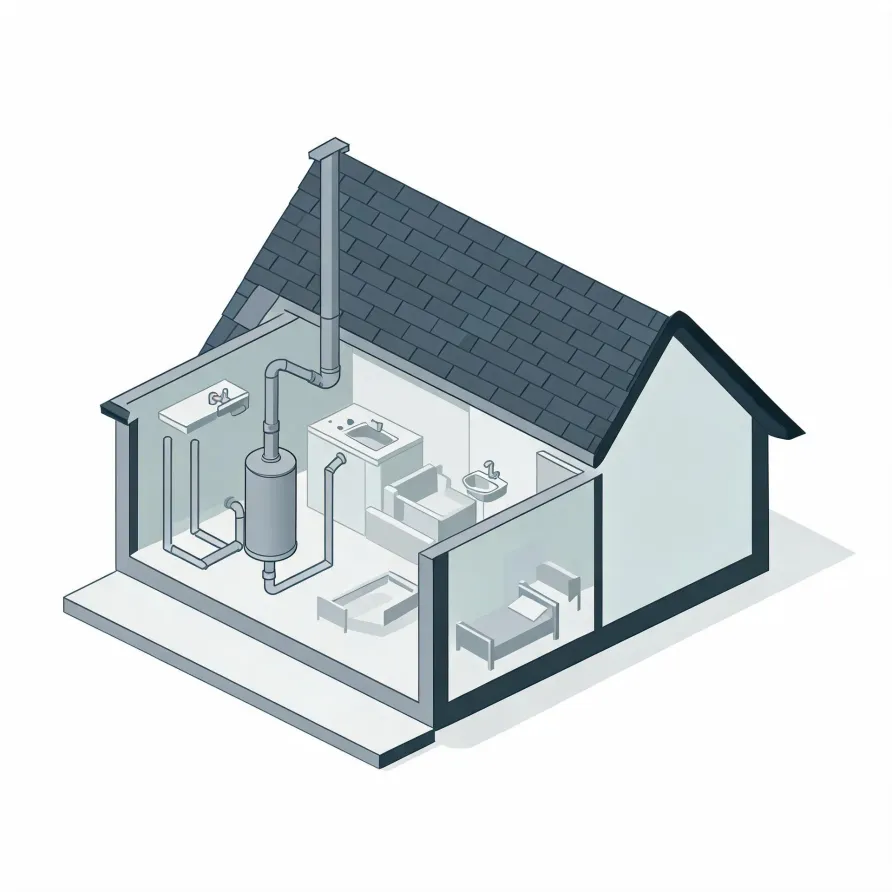
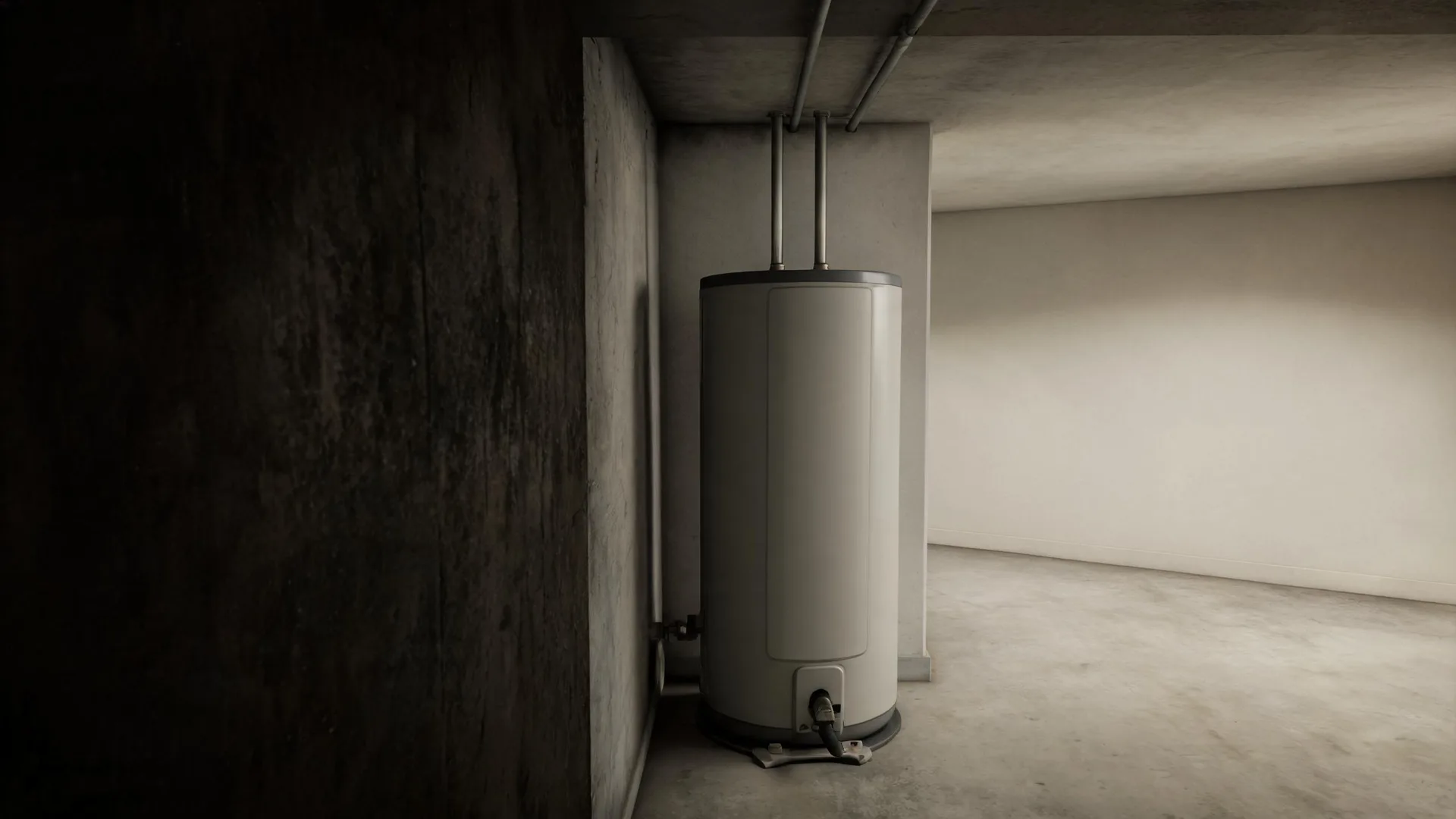
The water heater tank itself sits in a utility room, basement, or garage and holds the water that gets heated and sent through the house. A new installation also includes the pressure relief valve mounted to the tank's side, which releases pressure if the tank builds too much.
The cold water inlet and hot water outlet connections sit at the top of the tank and tie the unit into the home's supply lines. A drain valve at the base and the flue or venting pipe above the unit are also part of what a contractor puts in place during a full installation.
The drawing shows a typical layout, and a licensed contractor determines what applies to this particular house.
Find a contractor in DeKalb CountyDeKalb County, by the numbers
57 severe weather events were recorded in DeKalb County, Tennessee between 2015 and 2024.
NOAA National Centers for Environmental Information, Storm Events Database, bulk CSV export, events 2015-01-01 through 2024-12-31.Half the homes in DeKalb County, Tennessee were built in 1986 or earlier (2020-2024 ACS 5-year).
U.S. Census Bureau, 2020-2024 American Community Survey 5-Year EstimatesDeKalb County, Tennessee holds 10,155 housing units (2020-2024 ACS 5-year).
U.S. Census Bureau, 2020-2024 American Community Survey 5-Year EstimatesOwners occupy 72.6% of the occupied homes in DeKalb County, Tennessee (2020-2024 ACS 5-year).
U.S. Census Bureau, 2020-2024 American Community Survey 5-Year EstimatesSevere Weather Events in DeKalb County
Weather puts real load on water heating equipment, and that load is local. How hard the climate pushes here shapes what a water heater is asked to do and how long it holds up doing it.
57 severe weather events, 2015–2024. Source: NOAA National Centers for Environmental Information, Storm Events Database.