Tell us about the job
Takes about a minute. No obligation.
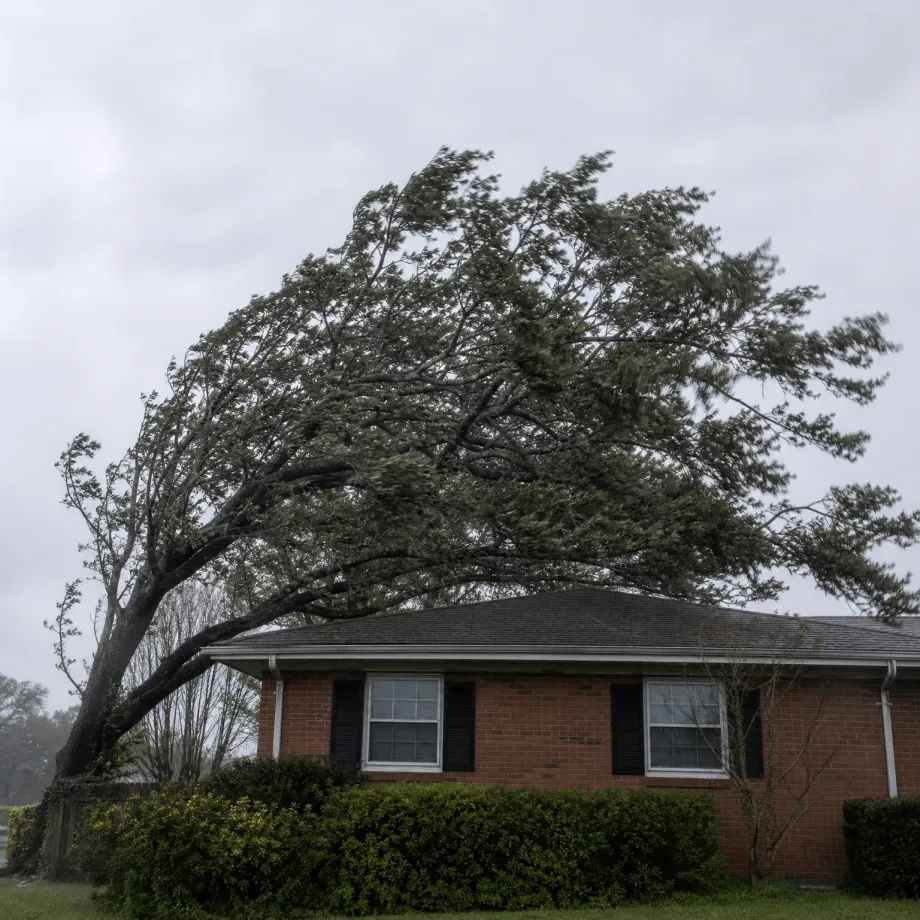
A contractor quoting a water heater installation in Madison County cannot treat equipment selection as a straightforward catalog decision. 104 severe weather events were recorded in Madison County, Tennessee between 2015 and 2024. At that rate, severe weather is a standing feature of the area, not an occasional one, and the system a contractor is replacing has been working against those conditions throughout its life. That history bears directly on what gets specified for the new unit and how it gets installed, because a replacement sized for a quieter environment will be underbuilt for what this county regularly delivers.
Older wiring is where water heater installations in Madison County most often stall or change price. Half the homes in Madison County, Tennessee were built in 1986 or earlier (2020-2024 ACS 5-year). A home built by that year was wired for equipment with different draw requirements than what a contractor brings to the job today, and the panel is the first thing a licensed electrician opens before a quote is final. If the service capacity is short, the scope of the job changes before the new unit ever goes in.
What a Water Heater Installation Covers
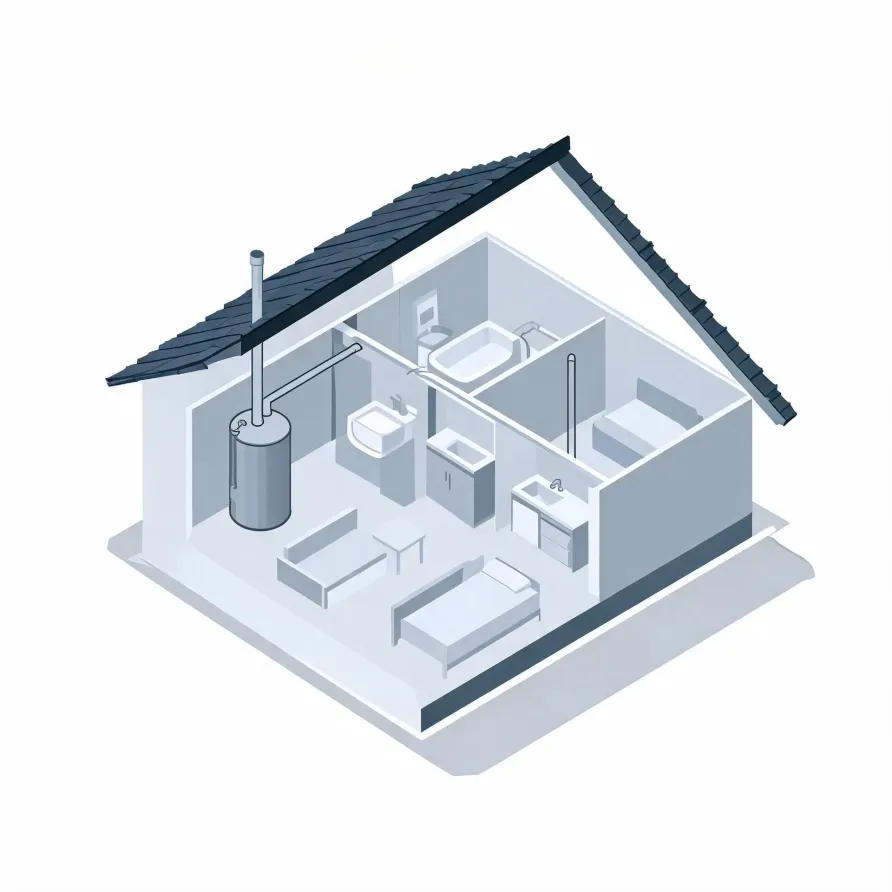
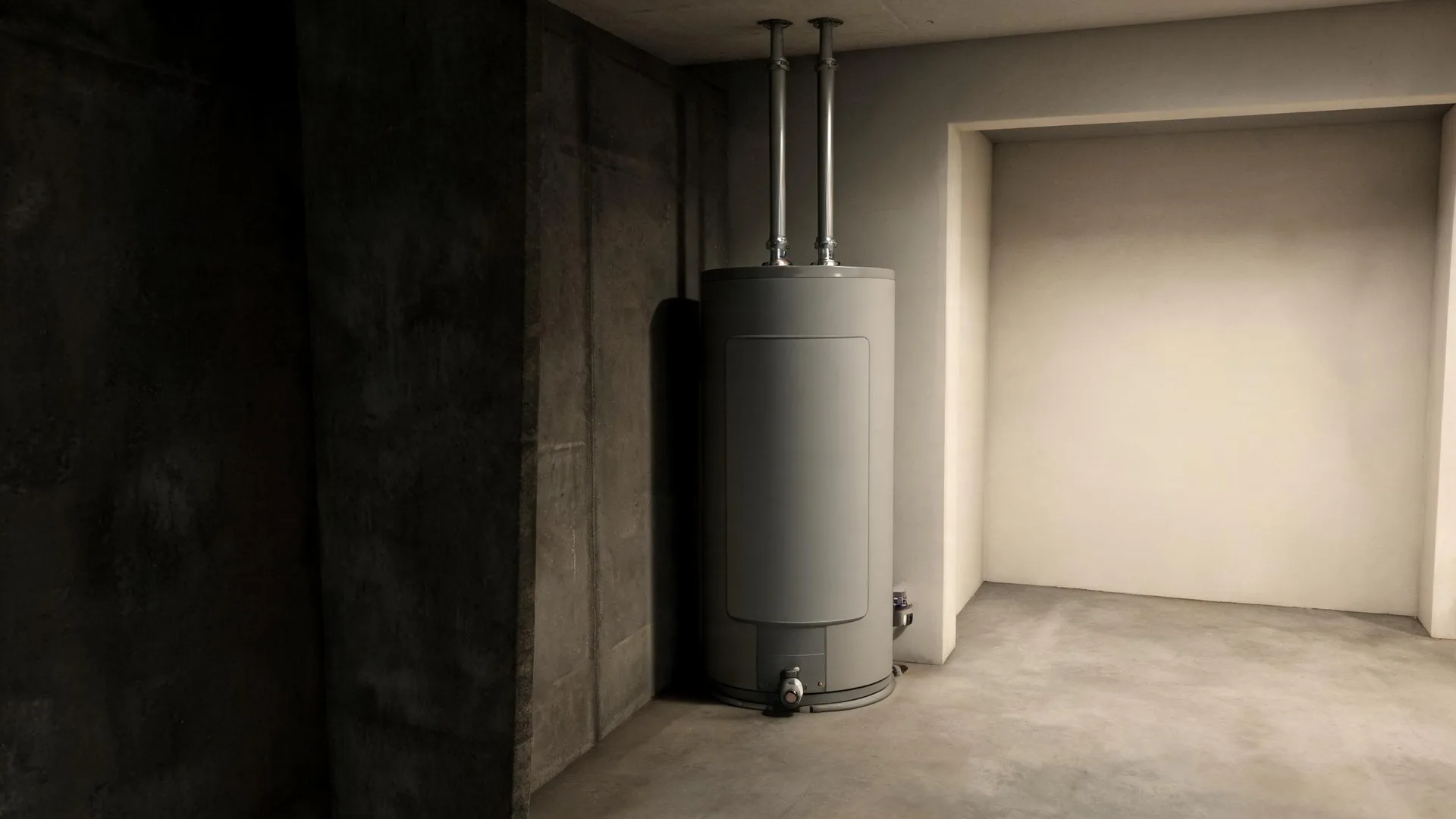
The tank or unit itself is the centerpiece of the job. In most homes it stands in a utility closet, basement, or garage, and it is what a contractor sizes, positions, and connects first. The pressure relief valve mounts directly on the unit and limits pressure inside the tank.
The supply and output lines carry cold water in and hot water out to every fixture in the house. Where a gas model is involved, the gas line and its shutoff also get connected at the unit. An expansion tank often mounts on the cold-side line nearby to handle pressure changes.
The drawing shows a typical layout, and a licensed contractor determines exactly what the installation requires in your house.
Find a contractor in Madison CountyMadison County by the numbers
104 severe weather events were recorded in Madison County, Tennessee between 2015 and 2024.
NOAA National Centers for Environmental Information, Storm Events Database, bulk CSV export, events 2015-01-01 through 2024-12-31.Half the homes in Madison County, Tennessee were built in 1986 or earlier (2020-2024 ACS 5-year).
U.S. Census Bureau, 2020-2024 American Community Survey 5-Year EstimatesMadison County, Tennessee holds 44,091 housing units (2020-2024 ACS 5-year).
U.S. Census Bureau, 2020-2024 American Community Survey 5-Year EstimatesOwners occupy 62.0% of the occupied homes in Madison County, Tennessee (2020-2024 ACS 5-year).
U.S. Census Bureau, 2020-2024 American Community Survey 5-Year EstimatesSevere Weather Events in Madison County
Weather extremes put direct strain on water heaters, driving the equipment harder and shortening the window before a replacement becomes necessary. What happens in Madison County shapes how a unit is sized, installed, and built to last.
104 severe weather events, 2015–2024. Source: NOAA National Centers for Environmental Information, Storm Events Database.