
Tell us about the job
Takes about a minute. No obligation.
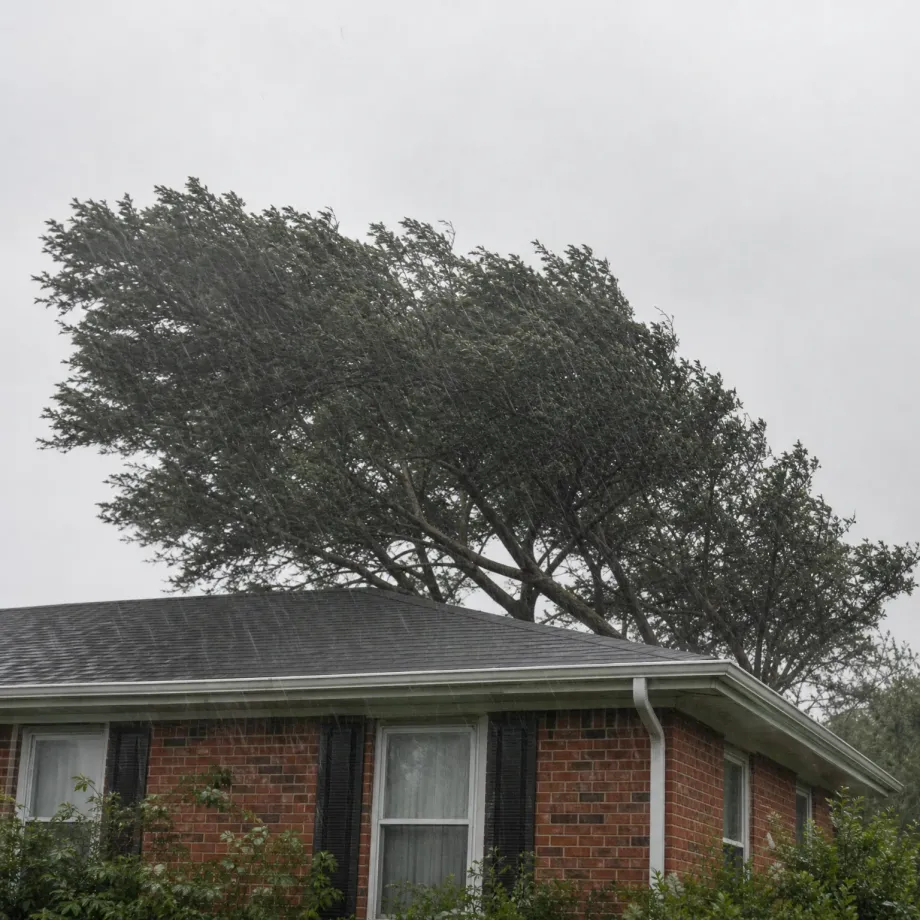
A water heater installation in Coffee County has to be sized for the conditions the equipment will actually run against, and mild-condition assumptions produce a unit that is working harder than it was built to. 129 severe weather events were recorded in Coffee County, Tennessee between 2015 and 2024. A contractor quoting here accounts for that load before settling on a tank size, a fuel type, or how the connections are run. What works in a calmer part of the state is not always the right answer here, and a straight catalog spec without local adjustment is how a system ends up undersized from the first week of operation.
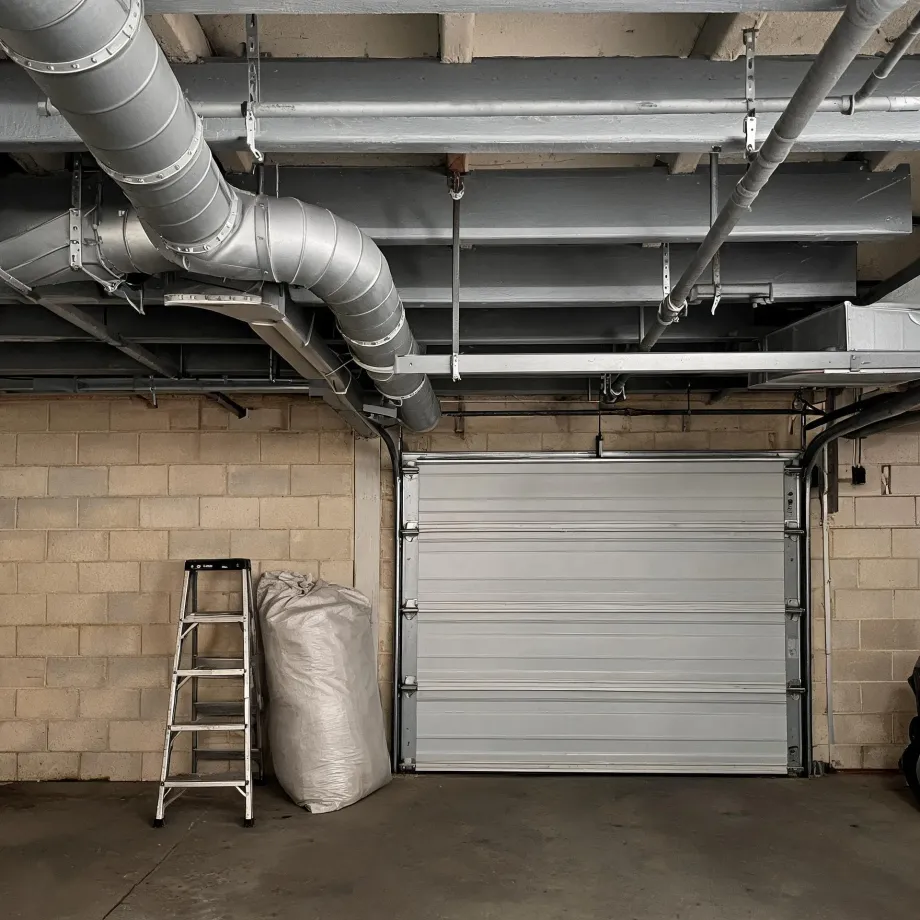
Venting and electrical rough-in in a house this old were built for something different than what runs in it now. Half the homes in Coffee County, Tennessee were built in 1986 or earlier (2020-2024 ACS 5-year). That gap is where installation work gets complicated. A contractor sizing a new water heater for a home in this stock has to check whether the existing venting path handles the new unit's exhaust requirements, and whether the panel supports the draw, before the equipment question even opens.
What a Water Heater Installation Covers
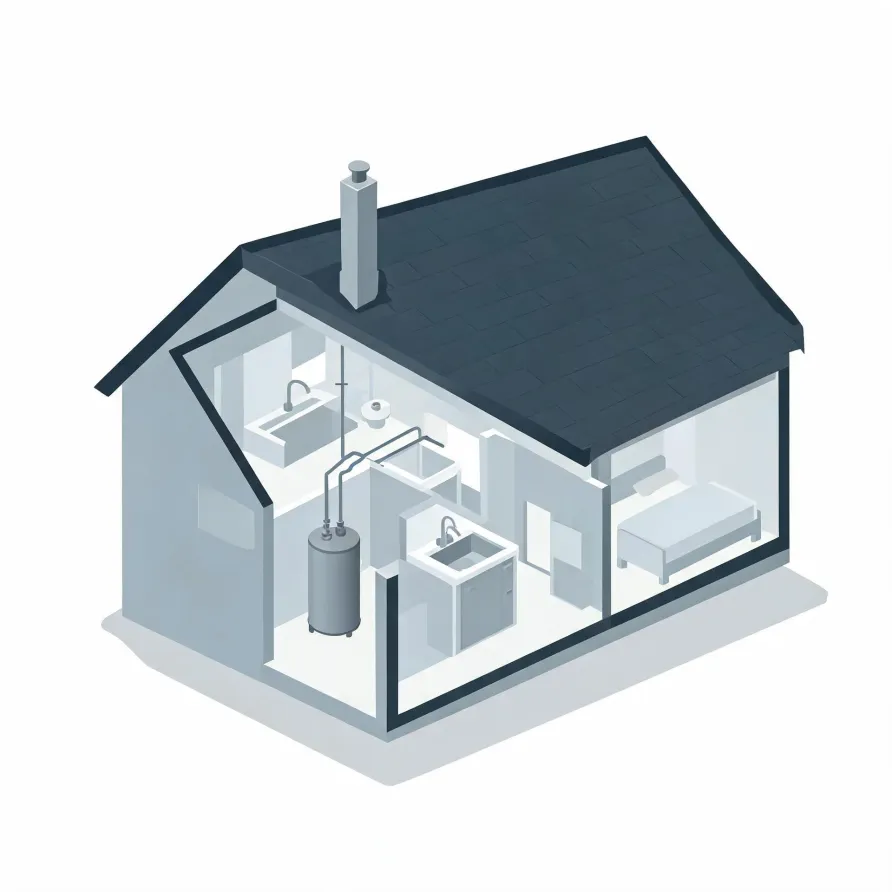
The tank or tankless unit is the heart of the system, sitting in a utility closet, basement, or garage and holding or heating water on demand. A contractor fits it to the home's water supply lines and, depending on fuel type, connects it to a gas line or dedicated electrical circuit.
A pressure relief valve mounts directly on the unit and releases if pressure inside climbs too high. The flue or exhaust vent runs from the unit to an exterior wall or roof termination, carrying combustion gases out of the living space.
The drawing shows a general layout, and a licensed contractor determines what applies to your specific house and setup.
Find a contractor in Coffee CountyCoffee County, Tennessee, by the numbers
129 severe weather events were recorded in Coffee County, Tennessee between 2015 and 2024.
NOAA National Centers for Environmental Information, Storm Events Database, bulk CSV export, events 2015-01-01 through 2024-12-31.Half the homes in Coffee County, Tennessee were built in 1986 or earlier (2020-2024 ACS 5-year).
U.S. Census Bureau, 2020-2024 American Community Survey 5-Year EstimatesCoffee County, Tennessee holds 25,467 housing units (2020-2024 ACS 5-year).
U.S. Census Bureau, 2020-2024 American Community Survey 5-Year EstimatesOwners occupy 69.0% of the occupied homes in Coffee County, Tennessee (2020-2024 ACS 5-year).
U.S. Census Bureau, 2020-2024 American Community Survey 5-Year EstimatesSevere Weather Events in Coffee County
Extreme weather puts stress on water heating equipment, from power surges and outages to temperature swings that force systems to work harder and wear faster. What happens outside in Coffee County shapes how hard that equipment has to work, which makes local weather history a real factor in sizing and installation decisions.
129 severe weather events, 2015–2024. Source: NOAA National Centers for Environmental Information, Storm Events Database.