Tell us about the job
Takes about a minute. No obligation.
A water heater going into a Williamson County home is not going into a sheltered environment. 293 severe weather events were recorded in Williamson County, Tennessee between 2015 and 2024. At that rate, severe weather is a standing condition here, and a contractor sizing and installing a unit has to account for what the system will run against year after year. Flue connections, pressure relief routing, and the thermal demands on the tank itself are all local questions. A catalog spec written for average conditions leaves gaps that this county's weather will find.
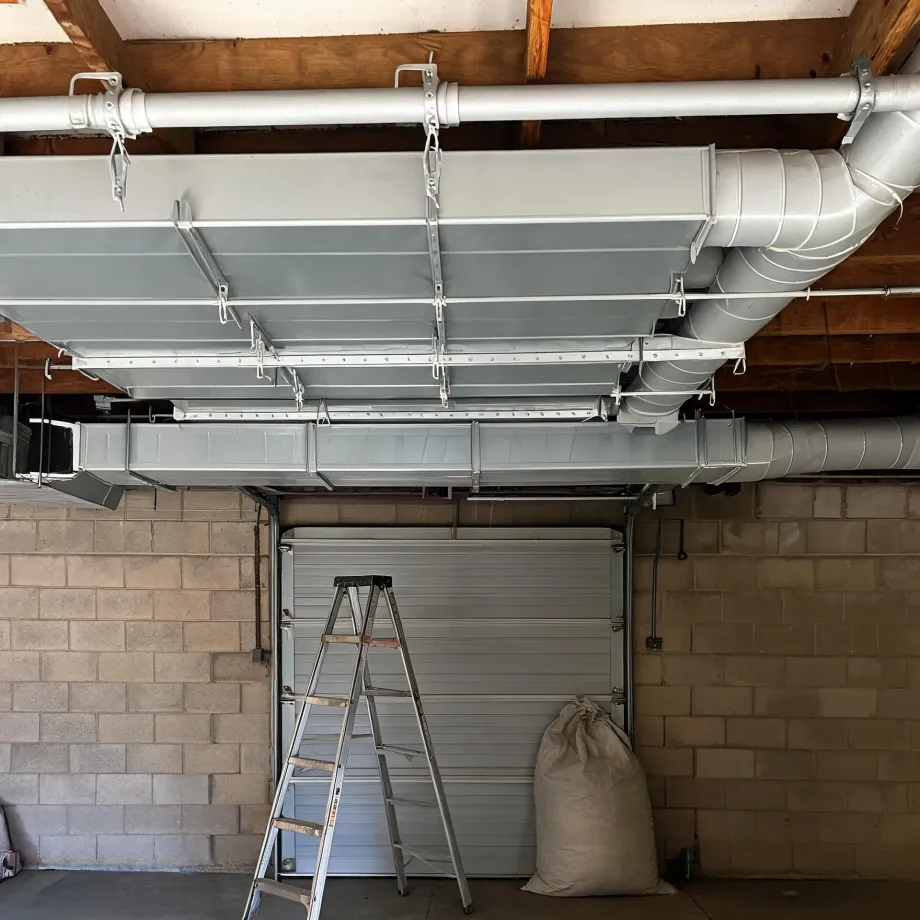
Ductwork and electrical service put in around a median build year carry assumptions about what the house would need. Half the homes in Williamson County, Tennessee were built in 2002 or earlier (2020-2024 ACS 5-year). A contractor pricing a water heater installation here is looking at whether that existing infrastructure handles what a new unit draws, not treating the unit itself as the open question. When the building was designed for older equipment, the service panel and the runs already in the walls are where a job can widen or stay simple.
What a Water Heater Installation Covers
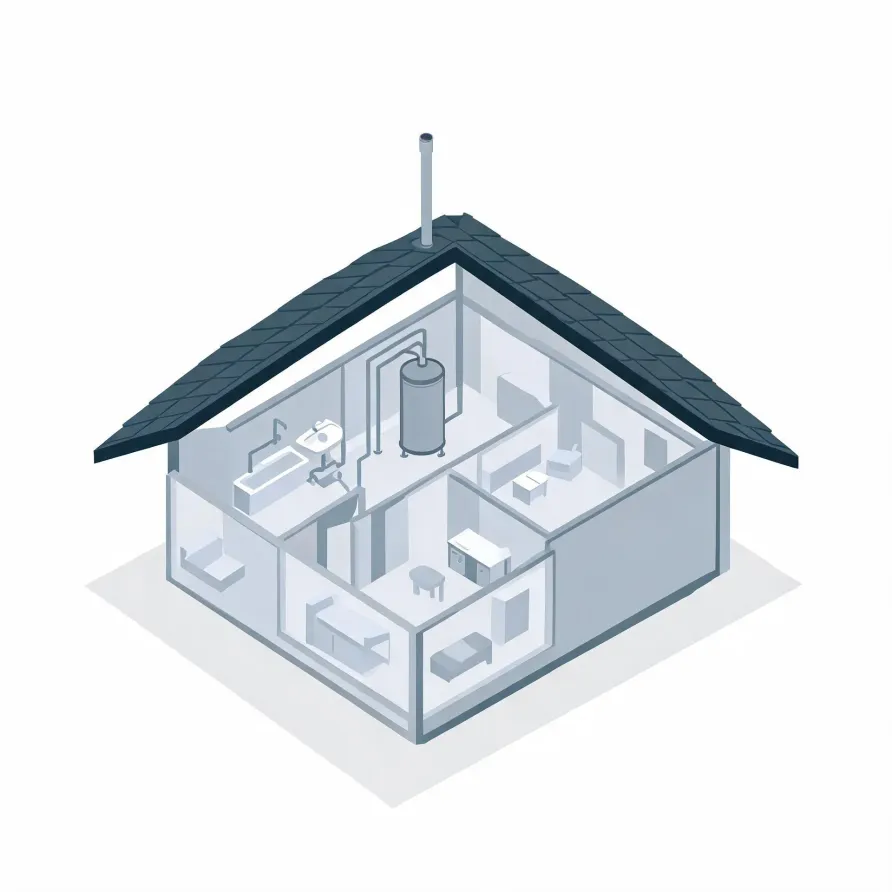
The water heater tank sits in a utility space, basement, or garage and is the centerpiece of the installation. It holds and heats the water that feeds every fixture in the house. On a tankless unit, a compact wall-mounted device takes that place instead, heating water as it passes through.
The cold-water inlet line and hot-water outlet line connect the tank to the home's plumbing. A pressure relief valve mounts to the side of the tank as a safety device. The contractor also works with the gas line or electrical supply, depending on which fuel type the unit runs on.
The drawing shows a typical layout, and a licensed contractor determines what the installation requires for your specific home.
Find a contractor in Williamson CountyWilliamson County, by the numbers
293 severe weather events were recorded in Williamson County, Tennessee between 2015 and 2024.
NOAA National Centers for Environmental Information, Storm Events Database, bulk CSV export, events 2015-01-01 through 2024-12-31.Half the homes in Williamson County, Tennessee were built in 2002 or earlier (2020-2024 ACS 5-year).
U.S. Census Bureau, 2020-2024 American Community Survey 5-Year EstimatesWilliamson County, Tennessee holds 96,921 housing units (2020-2024 ACS 5-year).
U.S. Census Bureau, 2020-2024 American Community Survey 5-Year EstimatesOwners occupy 78.8% of the occupied homes in Williamson County, Tennessee (2020-2024 ACS 5-year).
U.S. Census Bureau, 2020-2024 American Community Survey 5-Year EstimatesSevere Weather Events in Williamson County
Extreme weather puts real load on water heating equipment, shortening service life and pushing systems past the conditions they were sized for. That history is local, and it shapes what a contractor needs to account for when sizing and installing equipment in this area.
293 severe weather events, 2015–2024. Source: NOAA National Centers for Environmental Information, Storm Events Database.