Tell us about the job
Takes about a minute. No obligation.
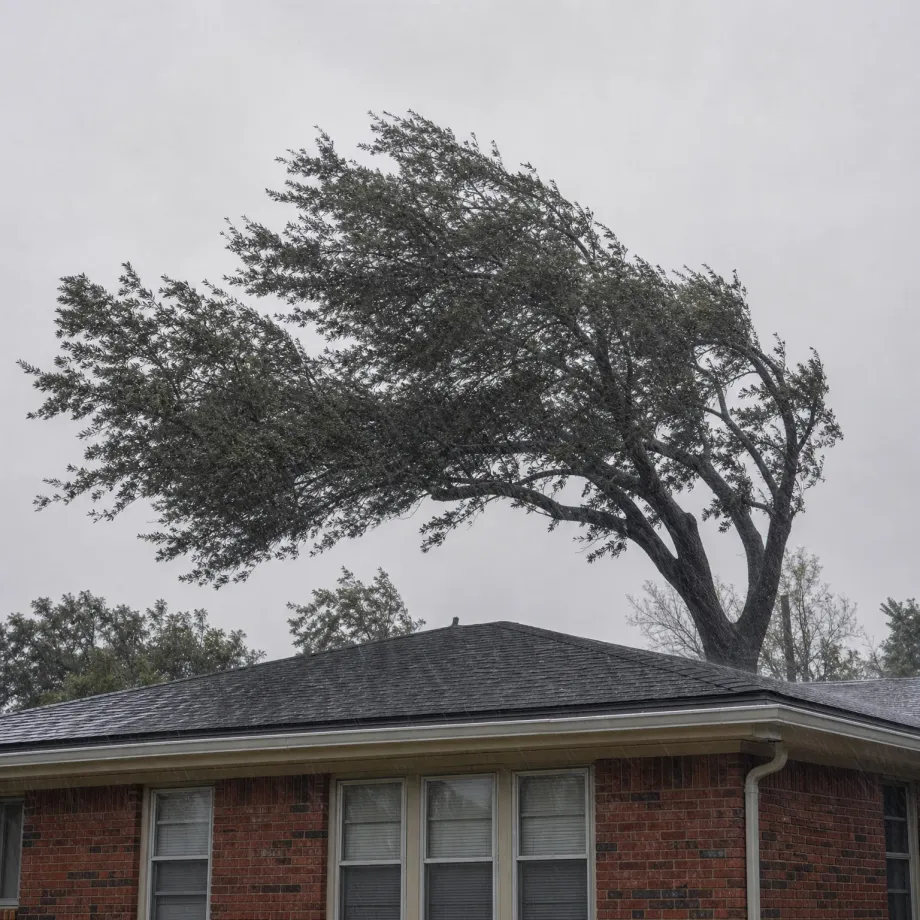
A contractor quoting a water heater installation in Greene County has to think about what this area actually puts equipment through. 144 severe weather events were recorded in Greene County, Tennessee between 2015 and 2024. At that rate, severe weather is a standing part of the environment a water heater runs in, not an occasional disruption, and that shapes which units a contractor recommends and how they set one up. Placement, connections, and the spec of the unit itself are all local decisions here.
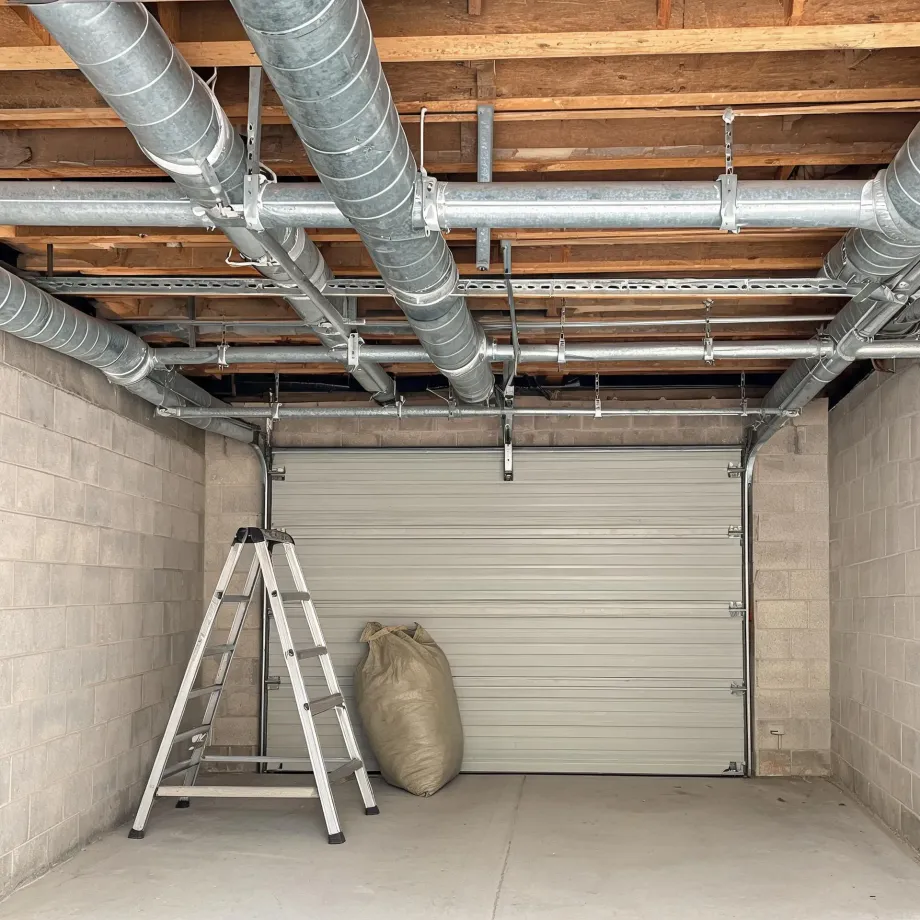
Ductwork and venting runs in a house this old were sized for equipment that no longer exists. Half the homes in Greene County, Tennessee were built in 1983 or earlier (2020-2024 ACS 5-year). When a contractor quotes a water heater installation here, what the existing flue, vent stack, and gas line can actually handle shapes the job before the unit itself is even priced. A house where those systems have been patched and adapted over the decades may need more work at the wall than at the appliance.
What a Water Heater Installation Covers
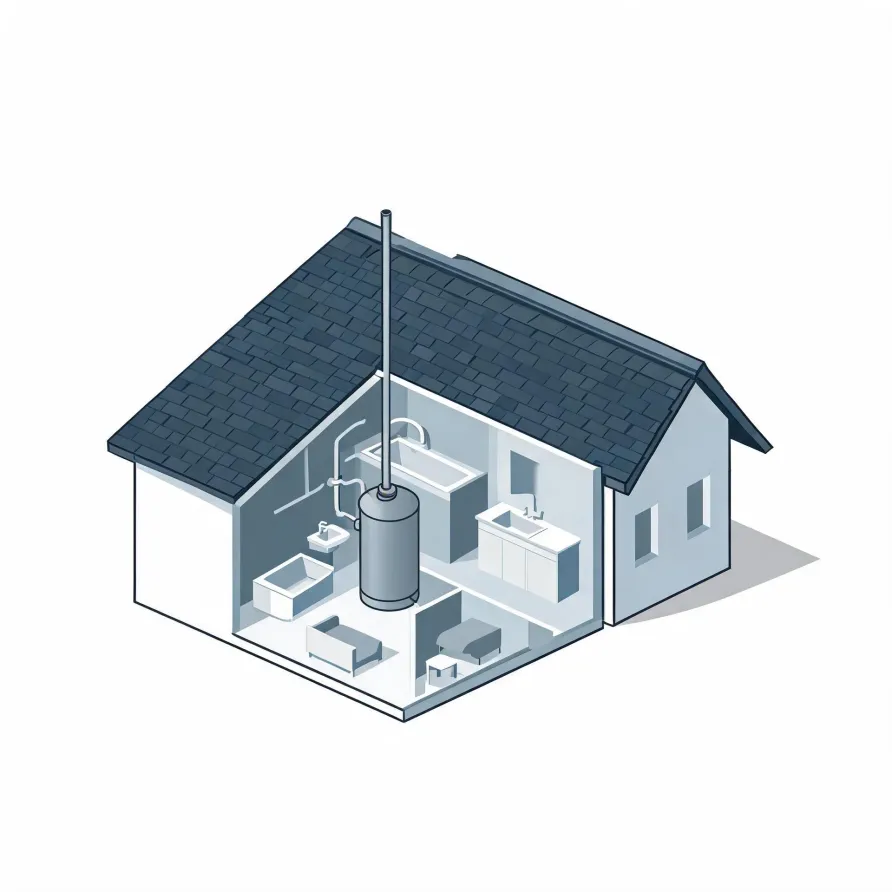
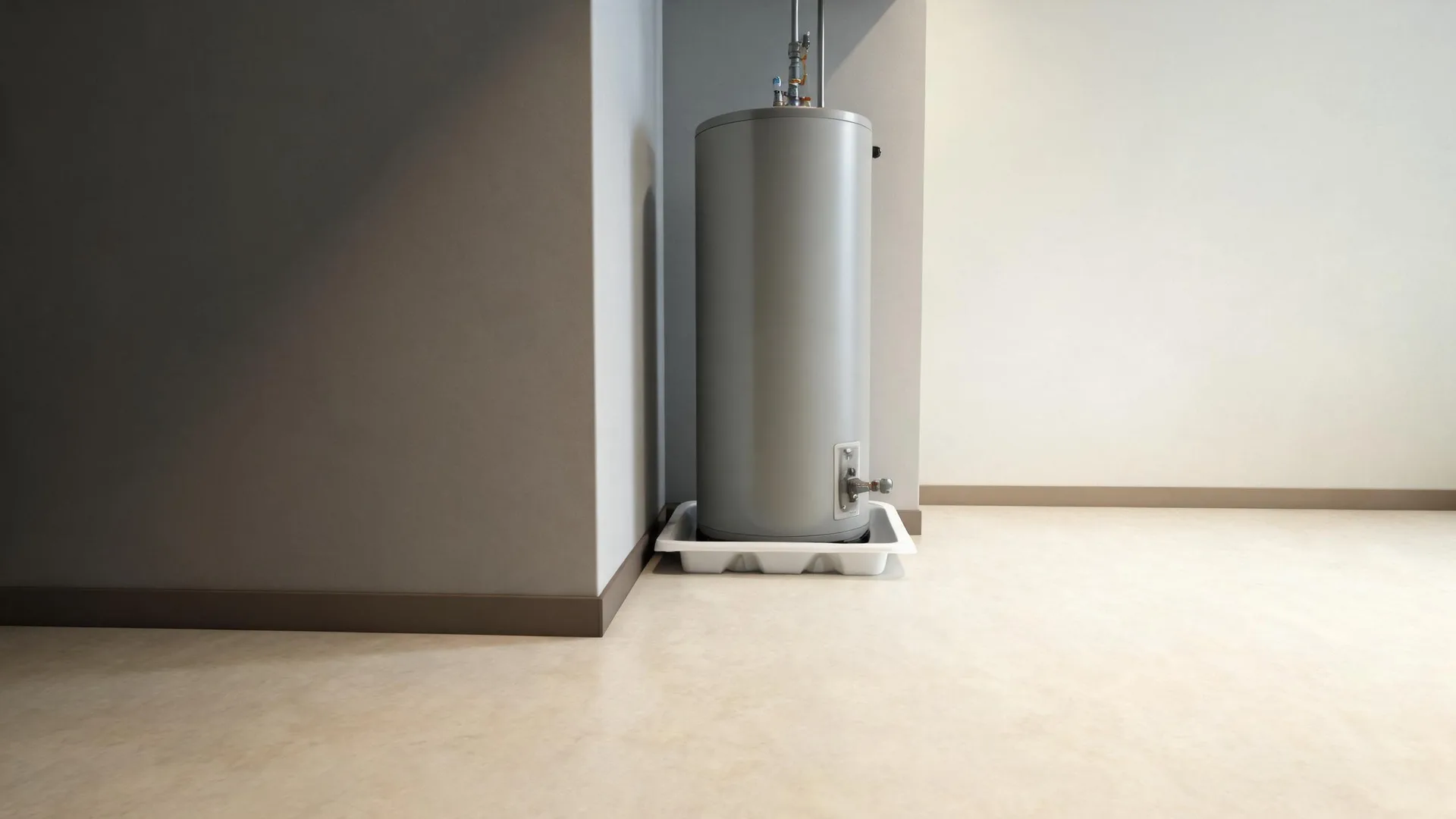
The water heater tank itself sits in a utility area, basement, or closet and holds the water that gets heated and sent through the house. On a gas unit, a burner assembly sits at the base of the tank. On an electric unit, heating elements run through the tank wall. The pressure relief valve mounts directly to the tank and is part of every installation.
A cold-water supply line feeds into the top of the tank, and a hot-water outlet line carries heated water out to the rest of the house. A drain valve sits near the base of the tank. The flue or exhaust connection runs from the top of a gas unit up and out of the house, and the installer ties the unit into the home's existing plumbing at both ends.
The drawing shows a typical layout, and a licensed contractor determines exactly what the installation involves based on the specifics of your home.
Find a contractor in Greene CountyGreene County, Tennessee, by the numbers
144 severe weather events were recorded in Greene County, Tennessee between 2015 and 2024.
NOAA National Centers for Environmental Information, Storm Events Database, bulk CSV export, events 2015-01-01 through 2024-12-31.Half the homes in Greene County, Tennessee were built in 1983 or earlier (2020-2024 ACS 5-year).
U.S. Census Bureau, 2020-2024 American Community Survey 5-Year EstimatesGreene County, Tennessee holds 32,697 housing units (2020-2024 ACS 5-year).
U.S. Census Bureau, 2020-2024 American Community Survey 5-Year EstimatesOwners occupy 77.1% of the occupied homes in Greene County, Tennessee (2020-2024 ACS 5-year).
U.S. Census Bureau, 2020-2024 American Community Survey 5-Year EstimatesSevere Weather Events in Greene County
Water heaters work harder when outdoor conditions push household demand up or cause sudden temperature swings. How often that happens here shapes what a properly sized and installed unit needs to handle.
144 severe weather events, 2015–2024. Source: NOAA National Centers for Environmental Information, Storm Events Database.