Tell us about the job
Takes about a minute. No obligation.
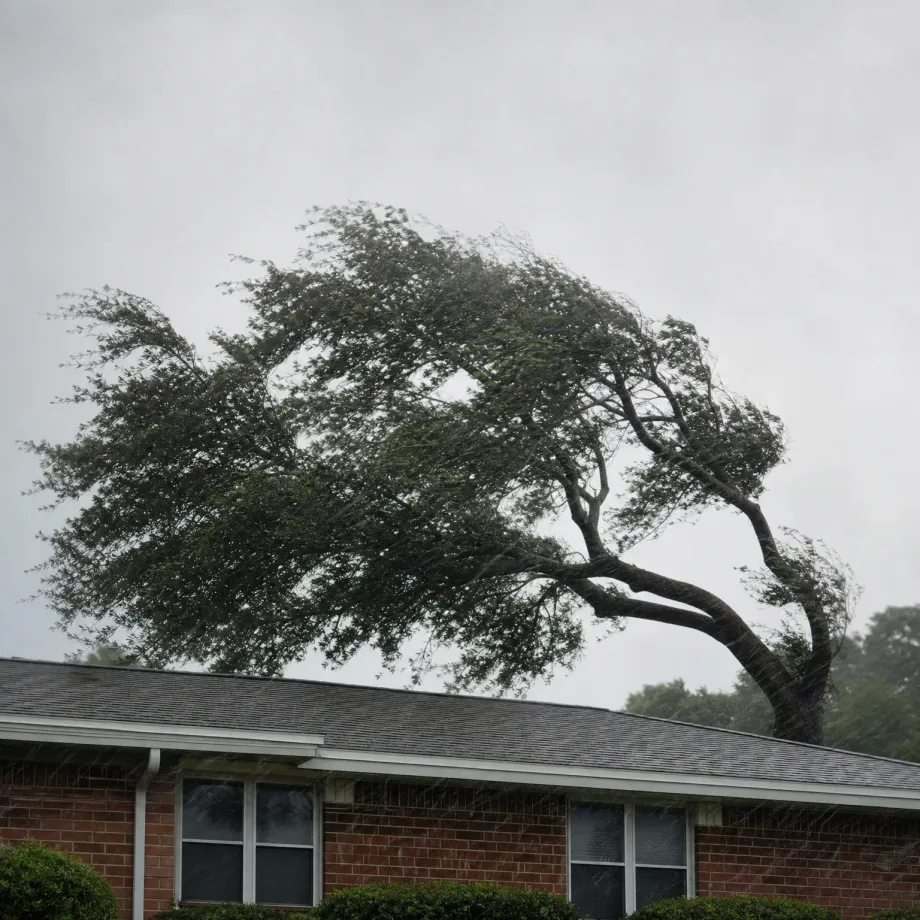
Sizing a water heater in Cocke County means accounting for a climate that pushes equipment on a regular basis. 83 severe weather events were recorded in Cocke County, Tennessee between 2015 and 2024. At that rate, severe weather is a steady background condition rather than a rare event, and a contractor installing a new unit here factors that into placement, connections, and the grade of equipment they specify. A unit that is undersized or poorly set from day one will feel that load faster than the specs suggest.
Older wiring and electrical panels are the constraint a contractor hits first on a water heater installation here. Half the homes in Cocke County, Tennessee were built in 1987 or earlier (2020-2024 ACS 5-year). A house built to that era's standards was wired for the appliances common then, and a new water heater, particularly a heat pump unit, draws differently than what the original service was sized for. The contractor has to confirm the panel can carry the load before the installation scope is priced. If it cannot, the panel work comes first.
What a Water Heater Installation Covers
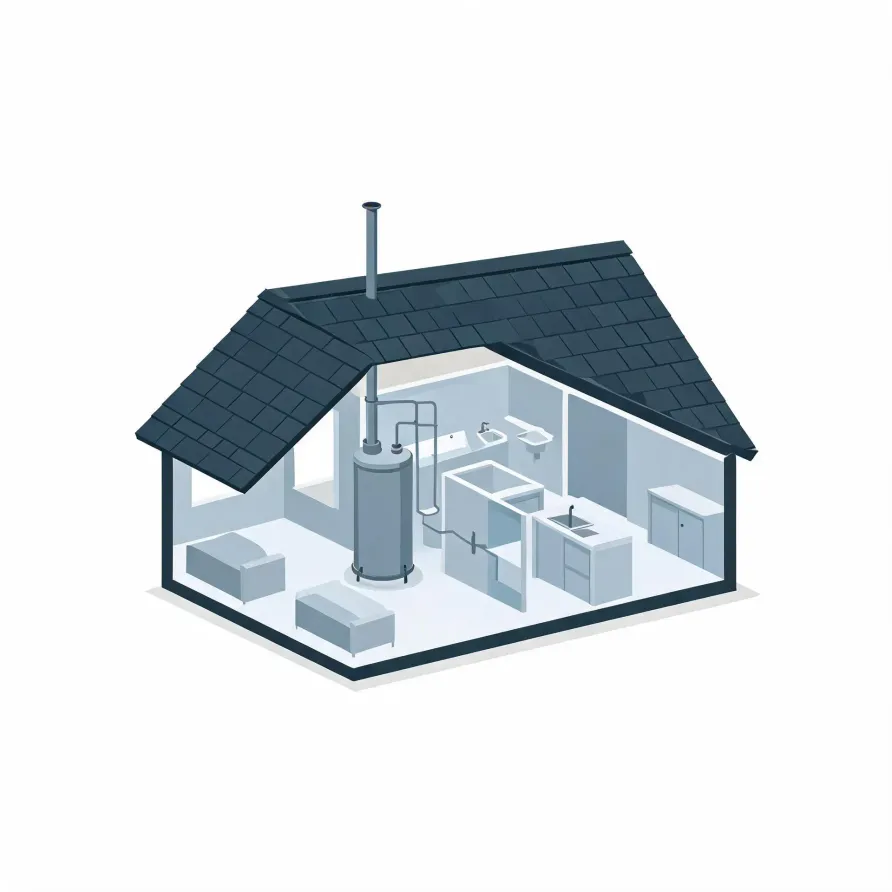
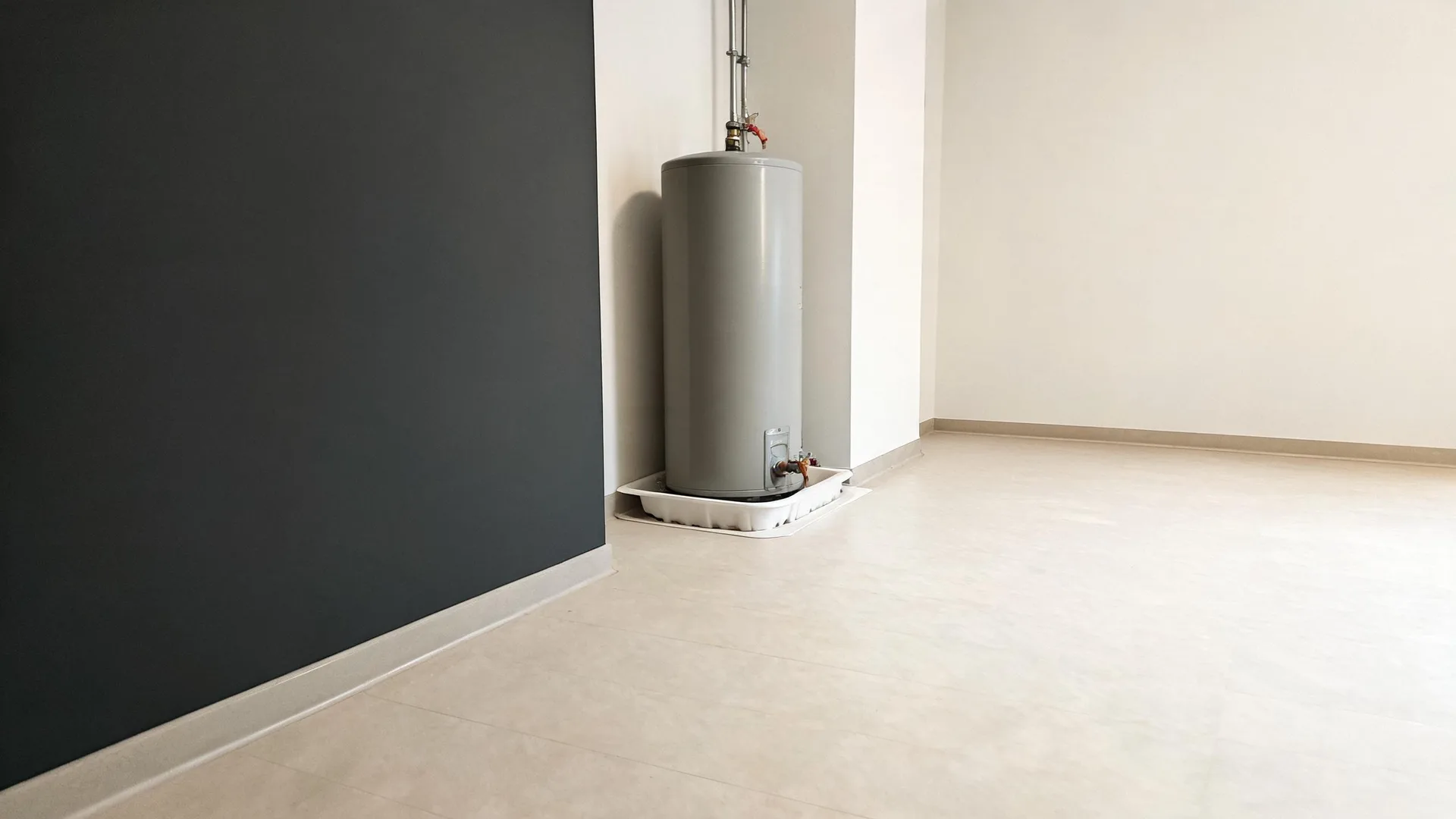
The tank or tankless unit is the centerpiece of the system, sitting in a utility room, basement, or closet, and its job is to heat cold supply water and hold it ready for the taps. A contractor fits the unit to the existing supply lines and sets the temperature control before anything else.
The pressure relief valve mounts directly on the unit and releases pressure if it climbs too high. A discharge pipe runs from that valve down toward a floor drain. The cold inlet and hot outlet connections tie the unit into the home's plumbing, and a flue or venting pipe carries combustion gases out through the wall or roof for gas-fired models.
The drawing shows a general layout of these components, and a licensed contractor determines exactly what the installation involves in your specific home.
Find a contractor in Cocke CountyCocke County, by the numbers
83 severe weather events were recorded in Cocke County, Tennessee between 2015 and 2024.
NOAA National Centers for Environmental Information, Storm Events Database, bulk CSV export, events 2015-01-01 through 2024-12-31.Half the homes in Cocke County, Tennessee were built in 1987 or earlier (2020-2024 ACS 5-year).
U.S. Census Bureau, 2020-2024 American Community Survey 5-Year EstimatesCocke County, Tennessee holds 17,957 housing units (2020-2024 ACS 5-year).
U.S. Census Bureau, 2020-2024 American Community Survey 5-Year EstimatesOwners occupy 74.5% of the occupied homes in Cocke County, Tennessee (2020-2024 ACS 5-year).
U.S. Census Bureau, 2020-2024 American Community Survey 5-Year EstimatesSevere Weather Events in Cocke County
Weather puts direct stress on water heating equipment: temperature swings, power surges, and moisture all shorten the working life of a unit and change how hard it has to run. That load is local, which is why a contractor serving Cocke County sizes and installs equipment with this county's conditions in mind.
83 severe weather events, 2015–2024. Source: NOAA National Centers for Environmental Information, Storm Events Database.